

Google changes their algorithm hundreds of times per year. Most of these changes are only small, however every so often they release a much larger and more impactful change. One of the more recent is changing their algorithm to work in favour of topic-based content to serve the users intent. To keep up with the change, we need to think of our content marketing strategies differently and work using a topic cluster model.
Topic clusters and pillar pages
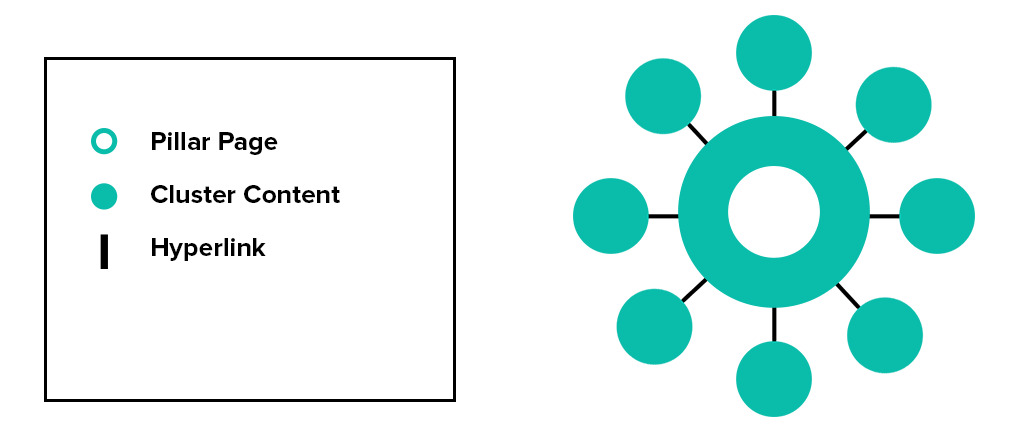
A pillar page is a page consisting of a core topic. This page should be thought of as a “main hub” of content for a certain topic and is typically a service or sales page. Content cluster pages related to this core topic should link back to this page, as well as linking to each other. Content cluster pages go into more depth of the different areas mentioned on a pillar page. These can be thought of as subtopics.
The linking between the pages helps indicate to search engines like Google that a pillar page has more authority, helping to rank it higher over time. Think of this model as a way of structuring and organising your websites content.

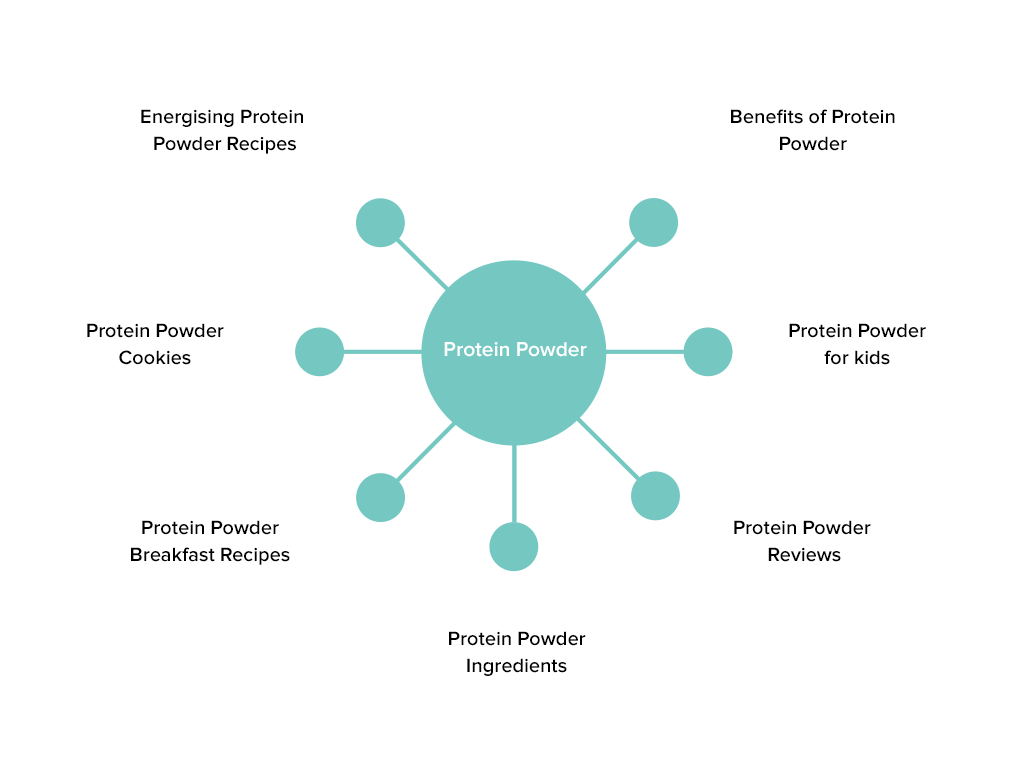
Let’s look at an example of how topic clusters can be achieved. An online protein and supplements store has a popular line of protein powder. To help build authority and ranking power around the protein powder page, content cluster pages are built around it focusing on topics such as “Benefits of Protein Powder” and “Protein Powder Recipes”. The below example visualises how this would look.

Cluster content topics
There are many online resources available to you if you’re struggling to come up with topic ideas. It’s important to remember your topics should offer value to your ideal personas.


- Keyword research
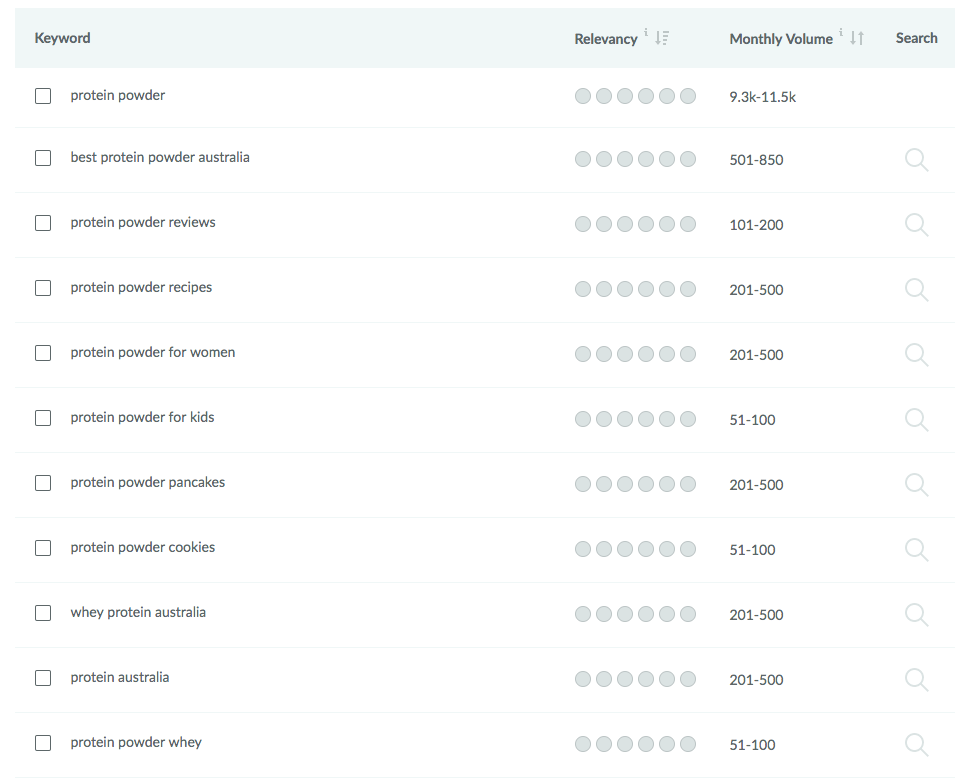
Conducting keyword research is a great way to find search terms people are actually searching for in Google, in turn helping you figure out what sort of information your ideal personas are looking for and want answers to. A great tool for keyword research is Moz’s Keyword Explorer, (available to Moz Pro users). Below is an example of suggested keywords for “Protein Powder”.

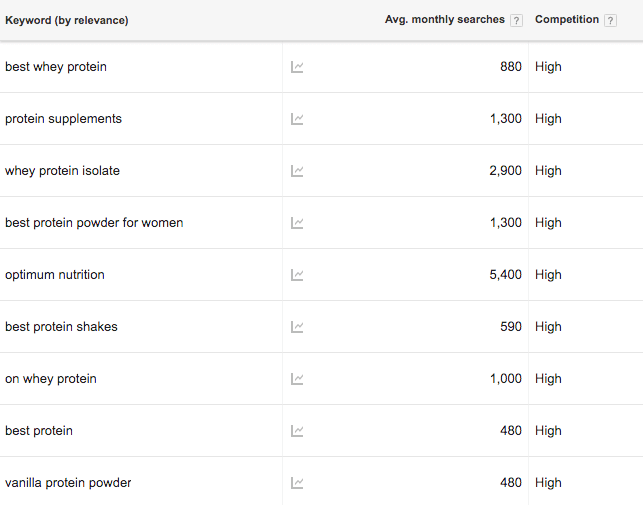
Google’s Keyword Planner is another efficient tool to help with topic ideas. Working in a similar way to the Moz Keyword Explorer, the keyword planner gives you the monthly search volume along with suggested keywords.

- Google and the searcher’s intent
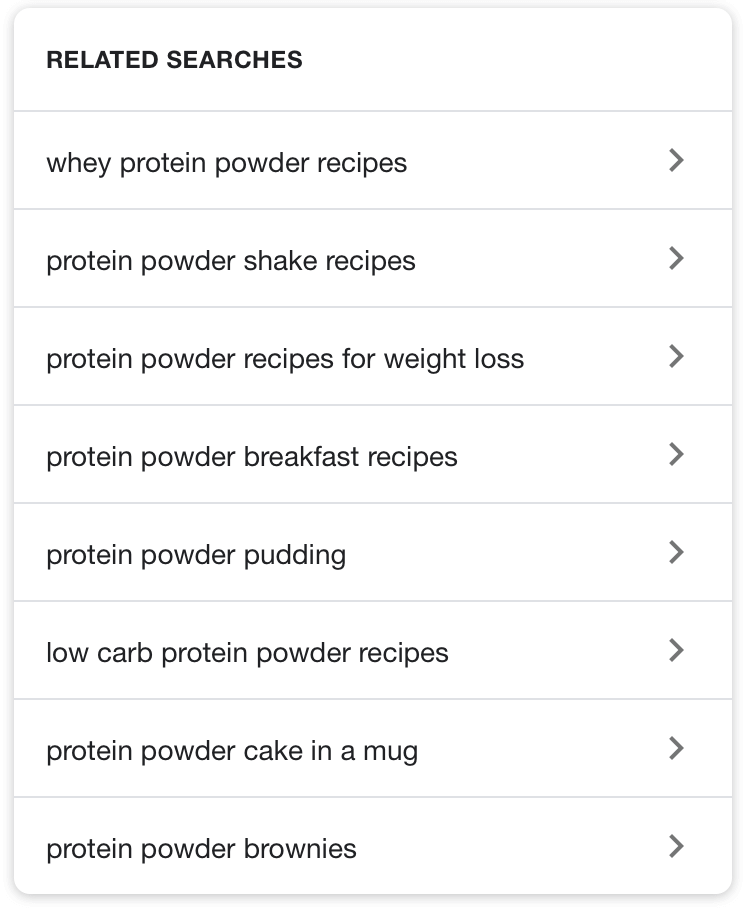
When typing a search query into Google, the results will appear based on what Google determines will serve you the most relevant answer. Google now also presents you with related search terms. Based on what you may search for next. This can be an extremely helpful way to find new content ideas for future articles, helping you to build out your topic clusters. Below is an example of “related searches” Google presents you when you scroll to the bottom of the search results page for protein powder recipes.

- answerthepublic.com
Another one of our favourite tools to assist with content ideas is answerthepublic.com. Answer The Public provides you with a report of what questions and queries users are searching for based on the keyword entered.As you can see below, a bunch of queries come back for “protein powder” giving you an endless list of possible content ideas to create.
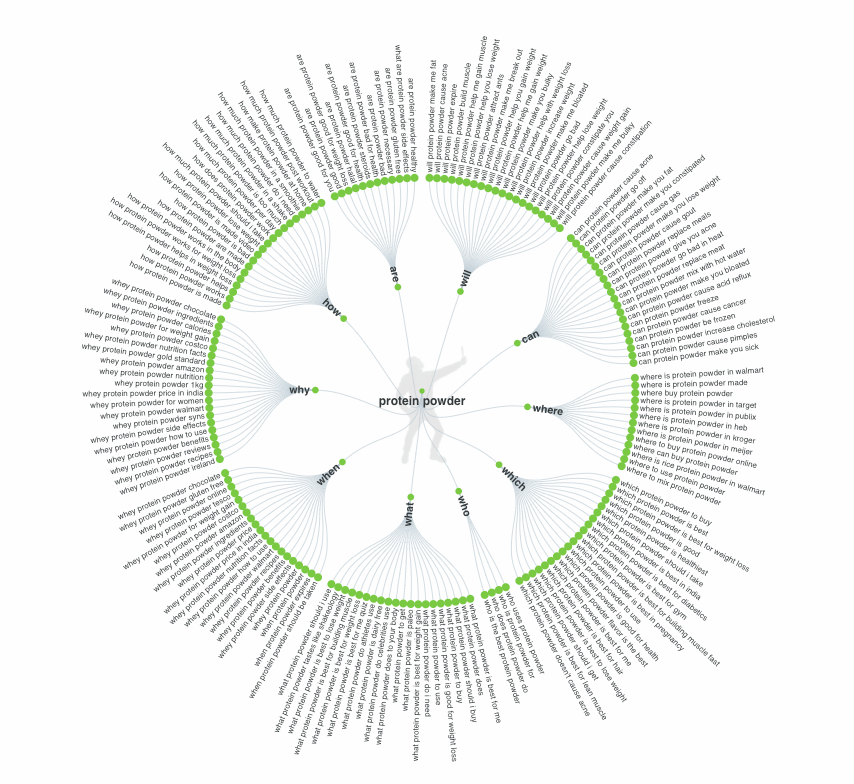

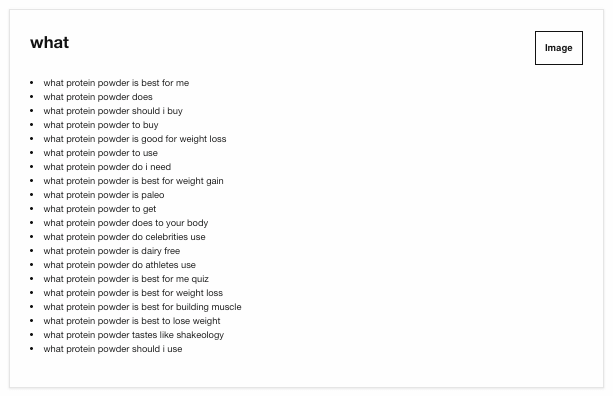
Tip: You can also click “data” for a more readable view when your results feature lots of options like this. They are sorted into why, how, are, when, what, who etc.

Planning your topic clusters
Organisation is the key to planning out your topic clusters, especially if you have a website with a large number of pages. Having a spreadsheet will help you stay organised and keep you accountable.
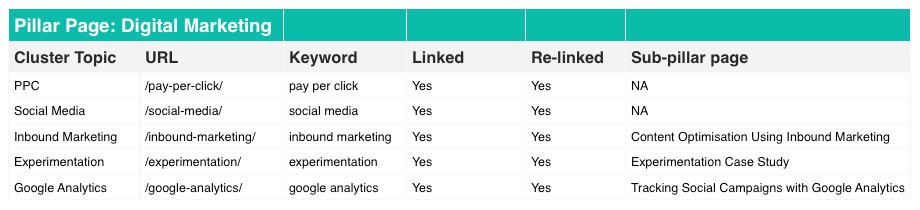

Sticking to a topic cluster model will help ensure you are building our your content correctly for search engines. Not only will your topic clusters help you rank in Google, but they will also ensure you are building out a nice website architecture for your users.
Get to know your persona
Knowing your persona or ideal customer is essential when mapping out your topic clusters and content architecture. It should be one of the very first steps you undertake. Get to know your personas today.